


; Dr. Chao-Chi Lin of the NCCU (center left); and fellows and students from IDAS and IMAS..jpg)


; Dr. Chao-Chi Lin of the NCCU (center left); and fellows and students from IDAS and IMAS..jpg)
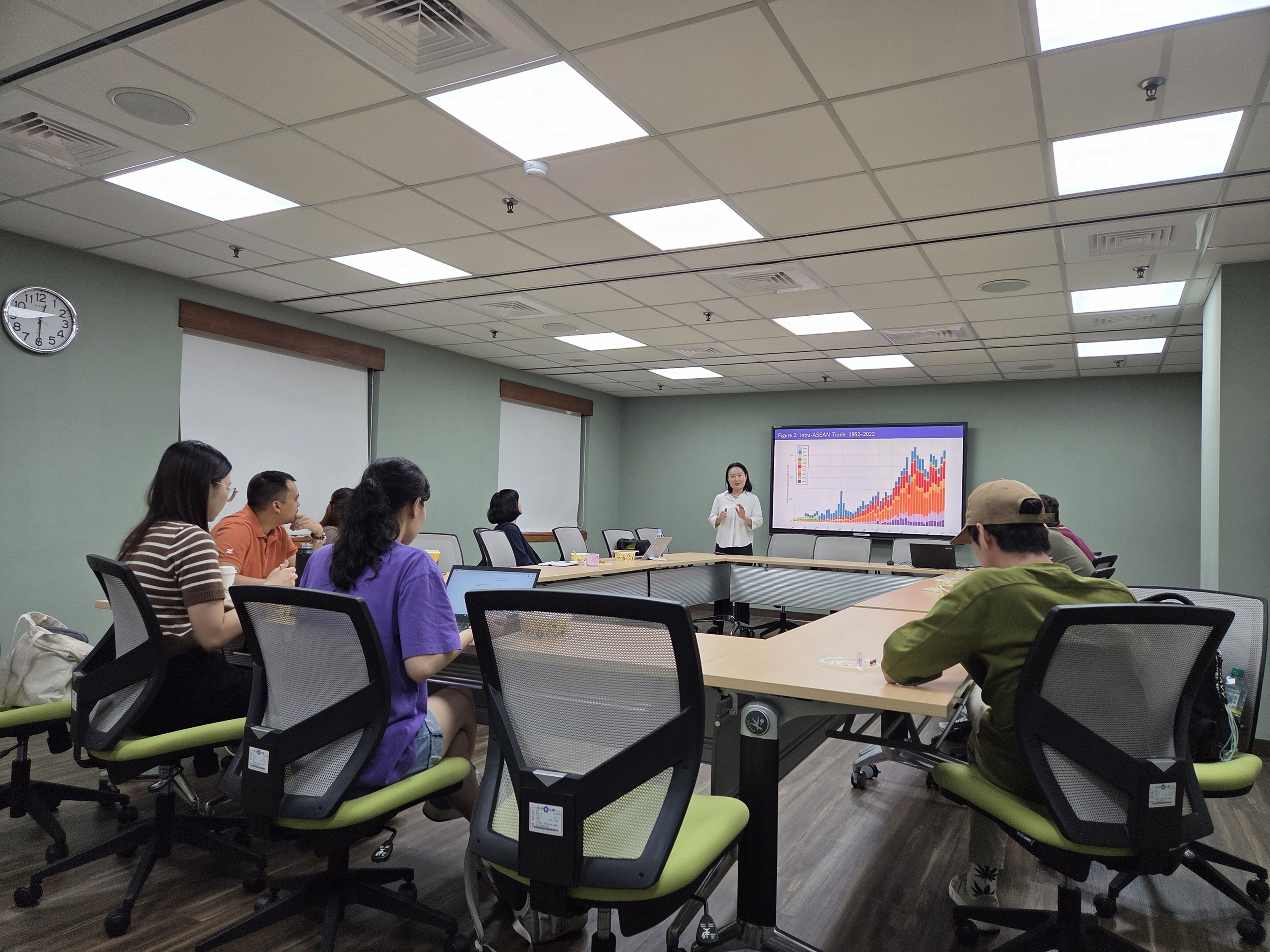
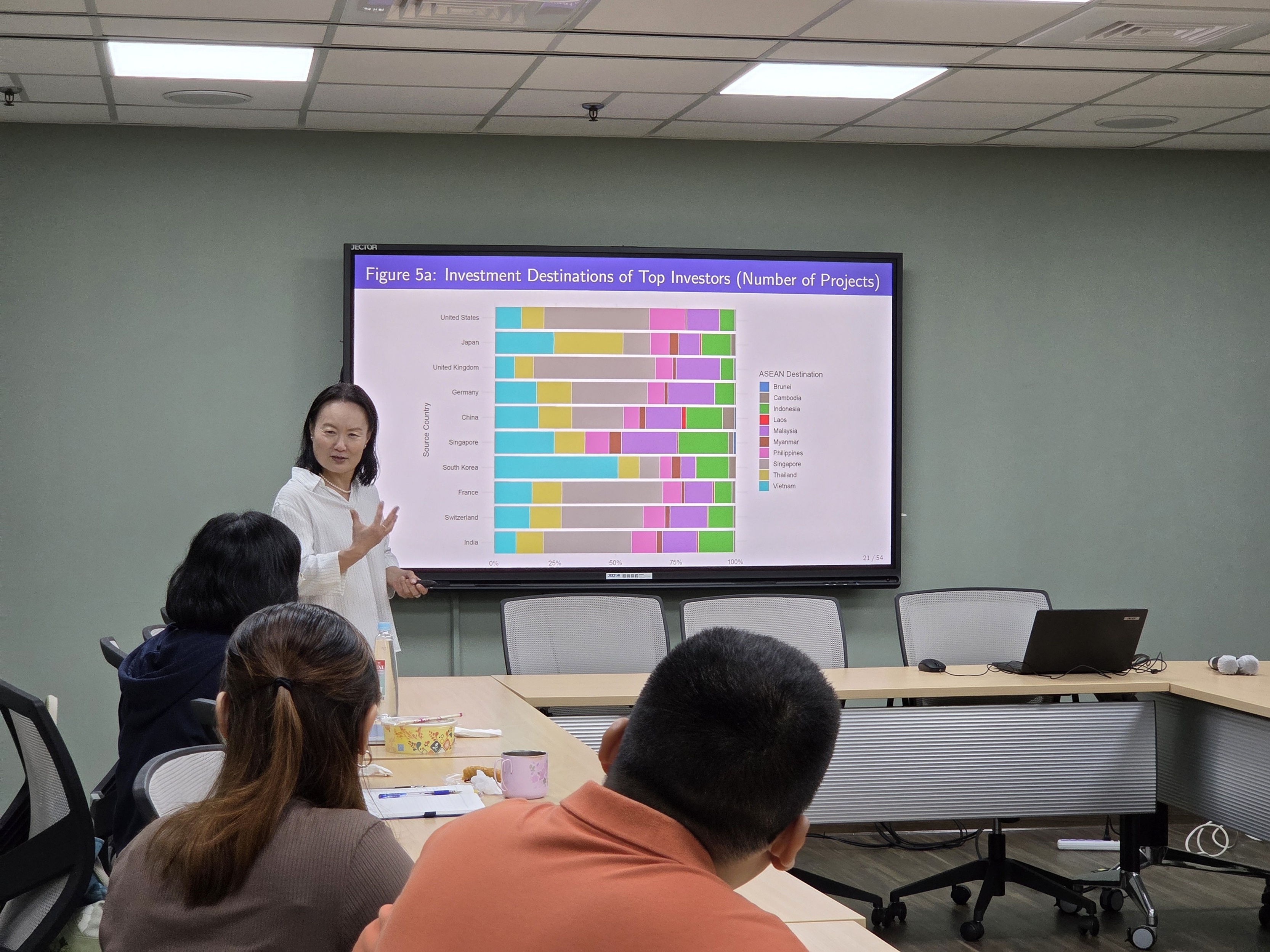
As the 48th ASEAN Summit concluded in early May 2026, National Chengchi University’s (NCCU) International Doctoral Program in Asia-Pacific Studies (IDAS), in cooperation with the University of British Columbia (UBC), hosted a timely lecture titled “Markets, States, and Community: Economic Integration in ASEAN” by Associate Professor Soo Yeon Kim of the UBC School of Public Policy and Global Affairs. The lecture was held on 12 May 2026 and examined the political-economic development of ASEAN regional integration.
Dr. Kim explored how ASEAN has managed to sustain economic cooperation among politically and economically diverse member states. She argued that ASEAN represents a distinctive model of regional integration characterized by an export-driven and outward-oriented form of regionalism, setting it apart from other regional integration projects that rely more on internal market consolidation or supranational governance structures. Rather than developing through strong centralized institutions, ASEAN integration emerged through economic globalization and expanding cross-border production networks.
A central theme of the lecture was the transition from society-led regionalization to state-led regionalism. Dr. Kim explained that as firms increased cross-border trade and investment, growing economic interdependence generated functional spillover effects that eventually required governments to create regional frameworks and institutions. In this process, private-sector economic integration preceded formal political coordination, gradually compelling states to respond to the demands of an increasingly interconnected regional economy.
Dr. Kim’s second major argument emphasized ASEAN’s model of economic integration without supranationalism. Unlike the European Union, ASEAN integration remains fundamentally intergovernmental, consensus-based, and flexibly implemented. She attributed this institutional design to the region’s post-colonial political sensitivities, strong emphasis on sovereignty, and enduring political diversity among member states. ASEAN states, therefore, pursue regional cooperation while simultaneously avoiding significant delegation of authority to supranational institutions.
The lecture also highlighted ASEAN’s role within the broader literature on comparative regionalism. Dr. Kim described ASEAN as a unique example of “open regionalism,” in which foreign direct investment (FDI) and trade remain deeply linked to extra-regional partners. She identified FDI and trade as the “twin engines” driving ASEAN’s regional integration, particularly through the development of multinational production networks commonly referred to as “Factory Asia.”
Dr. Kim further discussed the important role played by informal governance mechanisms in facilitating regional integration. Business associations and Chinese diaspora networks were identified as key intermediaries linking markets across Southeast Asia and between ASEAN and China. However, as regional production networks expanded and economic interactions deepened, these informal mechanisms became insufficient for coordinating increasingly complex regulatory and legal environments. The growth of free trade agreements (FTAs), multinational production chains, and global value chains consequently increased demand for state-led regulatory coordination and deeper institutional integration.
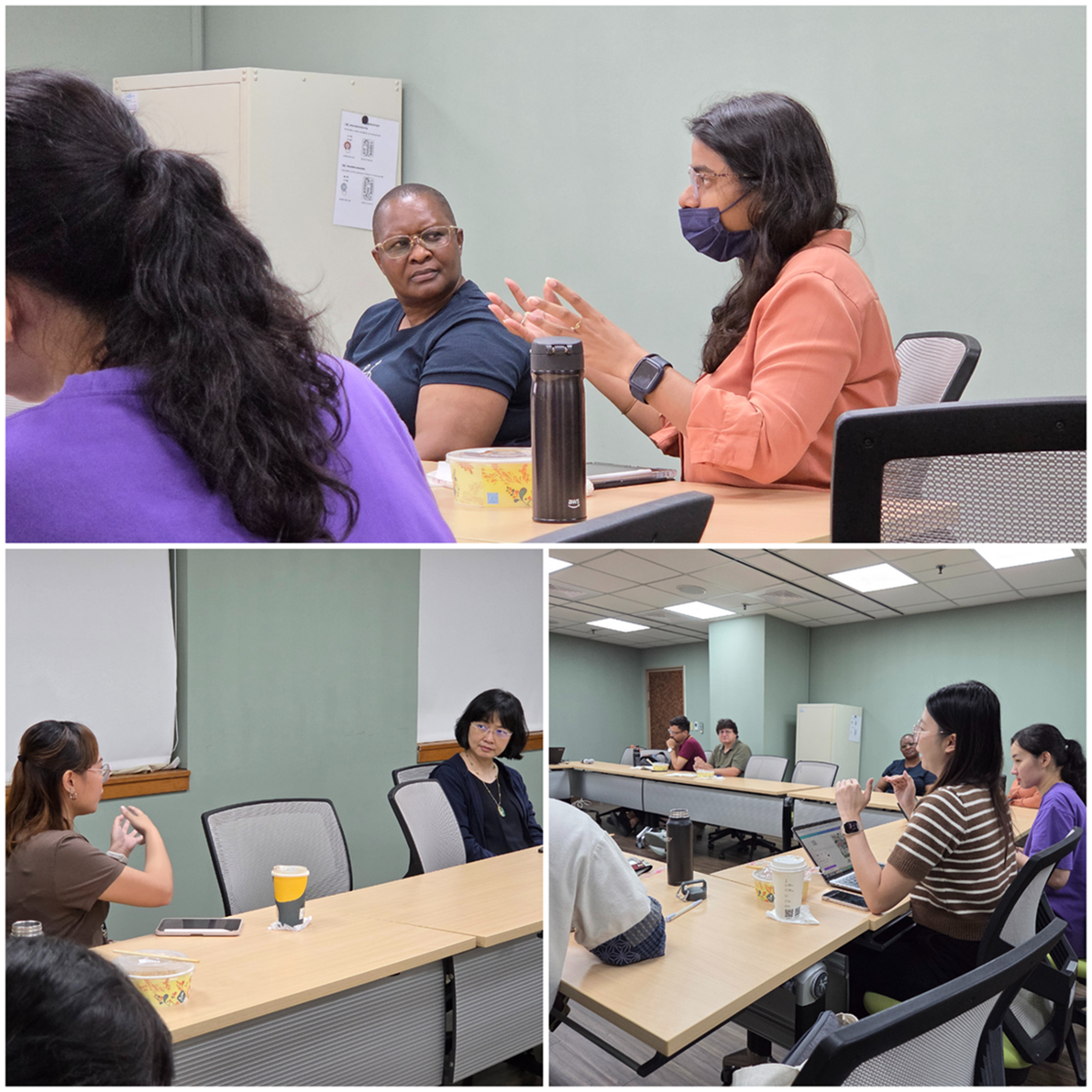
During the open forum discussion, students, faculty, and guests raised questions concerning the domestic political dynamics shaping regionalism within ASEAN states. Dr. Kim noted that while influential actors within each country advocate for regional integration, significant differences often exist between elite and public perceptions of regionalism. Responding to questions about the relationship between economic interests and other political considerations, she emphasized ASEAN’s capacity to compartmentalize contentious issues to preserve cooperation in other areas.
Dr. Kim’s lecture raised broader questions regarding the forms of regionalism appropriate to different regions and the historical, political, and social conditions that shape institutional models. The event provided an important opportunity for students and scholars to deepen their understanding of the political economy of regional integration at a time when the global economy continues to experience uncertainty and structural transformation.
