


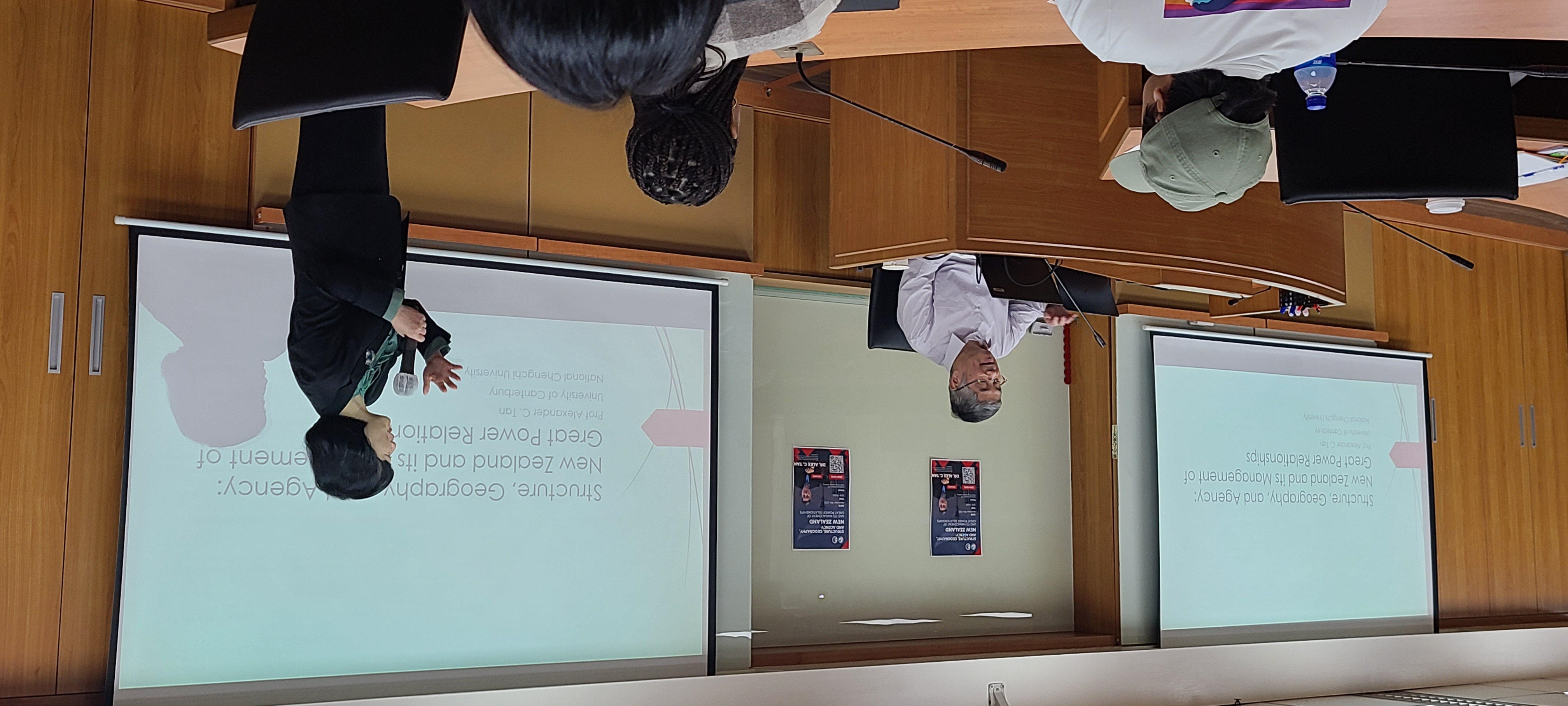


Understanding how small states navigate intensifying great power competition has gained urgency. This was the focus of the lecture delivered by Professor of Political Science and International Relations at University of Canterbury, Dr. Alex C. Tan, titled “Structure, Geography, and Agency: New Zealand and its management of Great Power relationships” held on 16 December 2025. The lecture was organized by National Chengchi University’s (NCCU) International Doctoral Program on Asia-Pacific Studies (IDAS).
Dr. Tan examined New Zealand’s management of relations with China and the United States amid escalating strategic rivalry, using the case to illuminate broader patterns in how small states respond to systemic pressures. He framed the dilemma as one shaped by the “gravitational pull” of competing interests: economic interests dependent on China and security commitments tied to the US. As competition intensifies, the space for an independent foreign policy becomes increasingly constrained, narrowing New Zealand’s room to strategically maneuver. While New Zealand faces no immediate military threat, it has alliance commitments to the US. At the same time, New Zealand’s integration into the Asia-Pacific economy is mostly through its economic relationship with China. China is New Zealand’s largest trade partner, which has become a key source of economic dependence. This asymmetry creates a persistent tension between economic interests and security alignments.
To analyze this dynamic, Dr. Tan introduced an analytical framework around three concepts: structure, geography, and agency. Structurally, small states are “price takers” in the international system, compelled to reassess their strategies as shifts in global power distributions occur. Geographically, New Zealand’s physical isolation acts as both a shield and a constraint, reinforcing its maritime dependence and shaping a South Pacific identity distinct from that of Asia. Geography plays a critical role in New Zealand’s strategic outlook. Physical distance has historically served as a security asset, enabling low defense spending and fostering a relatively relaxed threat perception. At the same time, this geographic isolation has become a liability in an era of globalization, leaving New Zealand highly vulnerable to supply-chain disruptions. Globalization has eroded the protective value of distance, New Zealand finds itself increasingly exposed to external shocks.
In terms of agency, Dr. Tan emphasized the role of domestic leadership, institutional capacity, and political consensus in enabling policy innovation within external constraints. While small states are neither fully determined by structure nor are they entirely free to shape outcomes. They retain limited but meaningful room for maneuver. New Zealand’s agency is most visible in its tradition of creative diplomacy. Dr. Tan highlighted policy innovations such as New Zealand’s strong anti-nuclear legislation as examples of value-based autonomy. Historically, New Zealand has been able to “punch above its weight” diplomatically through innovation and soft power rather than material capabilities. However, Dr. Tan cautioned that this space for maneuver is shrinking as structural constraints intensify.
A fundamental tension now defines New Zealand’s strategic environment: security arrangements increasingly demand conformity, while economic relationships require flexibility. China’s expanding footprint in the South Pacific further complicates this balance, introducing strategic competition into what New Zealand once viewed as its own backyard. As geographic isolation no longer provides a reliable buffer, Wellington’s strategic leverage has become more limited. Dr. Tan concluded that while structure and geography set boundaries, these do not determine all outcomes. Agency enables small states to expand autonomy through innovation. Nonetheless, no degree of diplomatic creativity, he argued, can fully offset increasingly binding structural constraints in the international system.
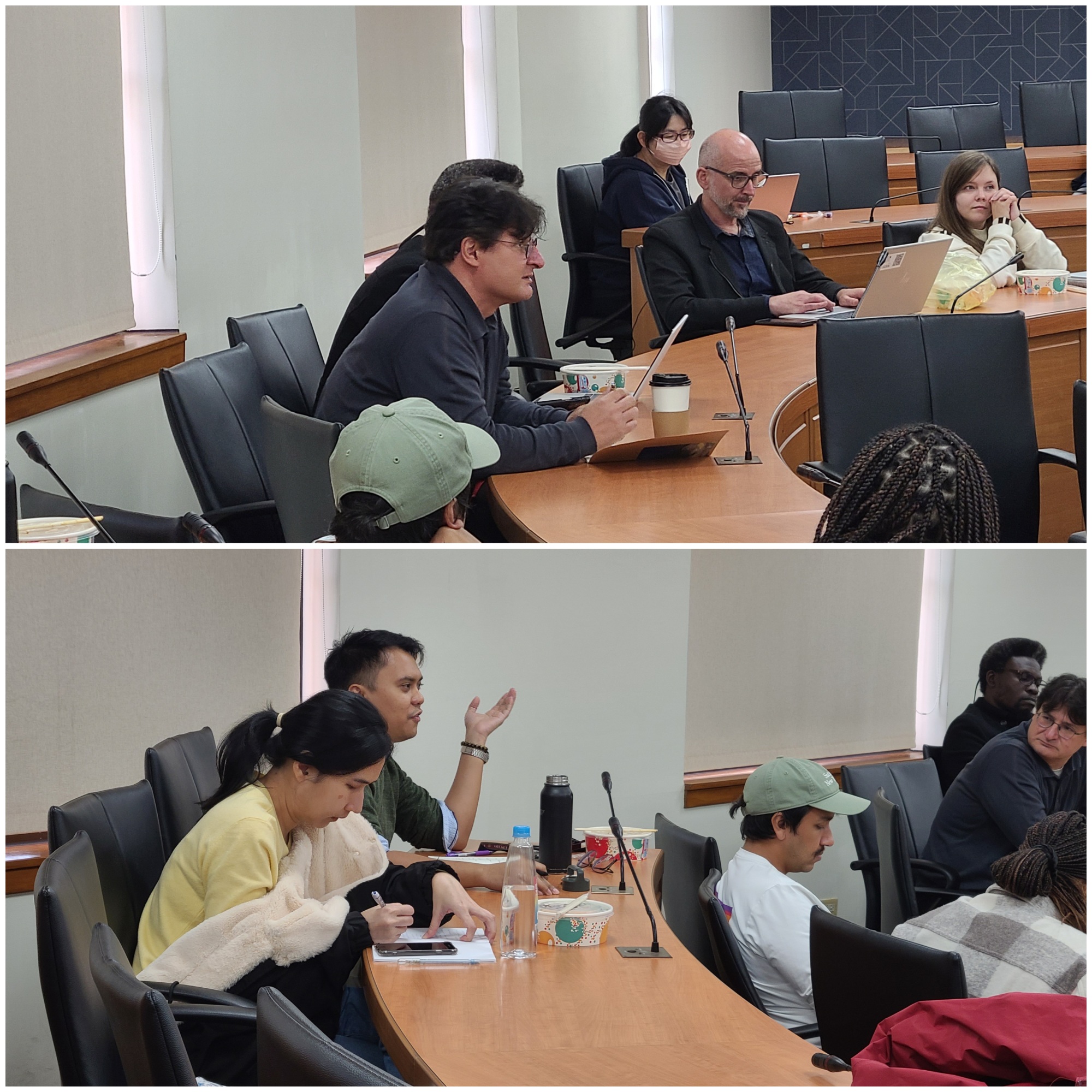
During the open forum, discussion turned to issues of illegal, unreported, and unregulated (IUU) fishing and their implications for national security. Dr. Tan noted that IUU fishing predates China’s rise but has become more salient as economic security and livelihoods are increasingly politicized. He also addressed New Zealand’s limited naval capacity, observing that the country’s navy largely performs coast guard–type functions and that the country lacks a dedicated coast guard despite possessing one of the world’s largest exclusive economic zones (EEZ). Dr. Tan suggested that a “white hull” approach focused on maritime patrol could allow New Zealand to meet alliance obligations by securing its regional “backyard,” thereby enabling larger partners to concentrate on forward deployments.
In conclusion, the lecture offered a nuanced account of the constraints and possibilities confronting small states in an era of intensified great power rivalry. By highlighting the interplay of structure, geography, and agency, Dr. Tan provided attendees with a deeper understanding of the strategic dilemmas shaping New Zealand’s foreign policy choices and, more broadly, the challenges facing small states navigating an increasingly contested international order. The students gained a lot from the talk. Next year, Dr. Tan will serve as an adjunct professor and will be offering courses in IDAS. We look forward to him bringing students a broader perspective and wider horizons.
